Discover the key things Nigerian hospitals must know before buying used medical equipment. Learn how to inspect, test, and verify reliability with expert guidance from Ocebrothers Tech Ltd.
What Hospitals Should Know Before Buying Second-Hand Medical Equipment
Introduction: A Smart Investment or a Hidden Risk?
In Nigeria’s fast-growing healthcare sector, many hospitals and diagnostic centres are turning to second-hand medical equipment to save costs when setting up or expanding facilities.
While pre-owned medical devices can be a smart investment, they also come with hidden risks — from poor calibration and hidden faults to lack of warranty or regulatory compliance.
Before making a purchase, every hospital should understand what to look for, how to verify functionality, and who to trust.
Let’s explore the essential things you need to know before buying used medical equipment in Nigeria.
- Verify the Equipment’s History and Source
Not all used equipment is equal. Some are gently used and well-maintained; others have been overworked or improperly stored.
Before you buy, request:
- The original purchase invoice or ownership documents
- Maintenance and calibration records
- Any previous repair or replacement history
- Information about why the equipment was sold
Working with verified hospital equipment suppliers like Ocebrothers Tech Ltd ensures that every second-hand device has been properly sourced, tested, and certified for continued use.
- Inspect for Physical and Functional Condition
A device that looks fine on the outside may still have internal issues.
Always check:
- Power and display functionality
- Signs of wear, rust, or fluid damage
- Cable and connector integrity
- Sensor performance and calibration accuracy
- Battery health (for portable equipment)
If possible, have a biomedical engineer perform a pre-purchase inspection or functionality test to confirm that the device is in working condition.
- Confirm Calibration and Safety Testing
Calibration and safety checks are non-negotiable when buying any medical device — new or used.
Uncalibrated or faulty equipment can lead to inaccurate readings, medical errors, and patient safety risks.
Ensure that:
- Calibration certificates are recent and traceable
- Devices meet manufacturer’s performance standards
- Electrical and safety tests have been done
At Ocebrothers Tech Ltd, all pre-owned devices undergo comprehensive calibration, performance testing, and quality certification before being offered for resale.
- Check for Availability of Spare Parts and Technical Support
Some older equipment models may have been discontinued, making spare parts and repairs difficult to source.
Before purchase, confirm:
- Spare parts availability in Nigeria
- Whether the supplier provides technical support or maintenance
- If software updates are still available (for digital equipment)
Partnering with a medical equipment supplier that provides after-sales support ensures your investment remains functional for years to come.
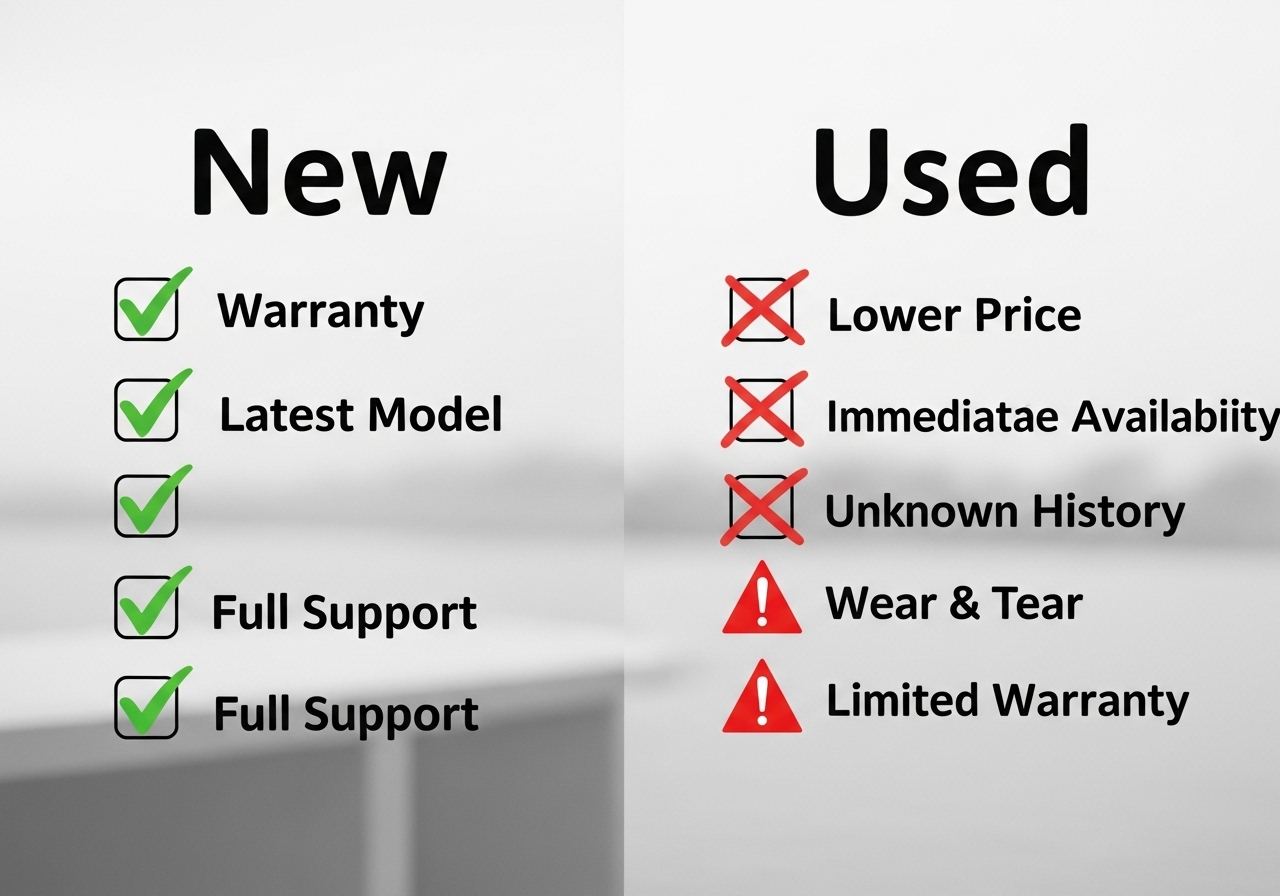
- Review Warranty and Return Policies
Even if the device is second-hand, a reputable supplier should offer:
- Limited warranty coverage (e.g., 3–6 months)
- A return or replacement policy if the equipment fails early
Avoid deals that sound “too good to be true” — they often are.
Reliable suppliers, like Ocebrothers Tech Ltd, stand behind their equipment with transparent warranty and service agreements.
- Confirm Compliance with Local Regulations
In Nigeria, medical equipment should comply with standards set by the Federal Ministry of Health (FMoH), SON, and NAFDAC.
Hospitals are responsible for ensuring that the devices they purchase — new or used — meet these safety, quality, and performance regulations.
Non-compliant equipment could lead to audit penalties or compromise patient safety.
- Evaluate Total Cost of Ownership (Not Just Purchase Price)
A cheaper upfront cost can be misleading. Consider:
- Installation and testing fees
- Calibration and certification costs
- Maintenance expenses
- Power requirements and consumables
When you add these up, a second-hand device may cost as much as a new one if not carefully evaluated.
- Buy from Trusted Medical Equipment Suppliers
Perhaps the most important rule is who you buy from.
Working with a trusted biomedical engineering company like Ocebrothers Tech Ltd gives you peace of mind.
You get:
- Professionally inspected and tested equipment
- Full calibration and performance certification
- Ongoing technical support and spare parts availability
We help hospitals make safe, informed, and sustainable purchasing decisions that protect both patients and budgets.
Conclusion: Smart Savings Start with Smart Choices
Buying second-hand medical equipment can be a cost-effective way to equip your hospital — but only when done right.
The goal isn’t just to save money, but to ensure safety, accuracy, and long-term reliability.
Before you buy, always verify the source, test performance, confirm calibration, and choose a reliable supplier.
Partner with Ocebrothers Tech Ltd today for trusted advice, professional inspection, and certified second-hand medical equipment that meets global standards.
Let’s help your healthcare facility grow safely and sustainably.