Learn why regular calibration of medical devices is essential for accuracy, patient safety, and compliance. Discover how Ocebrothers Tech Ltd helps Nigerian hospitals maintain reliable equipment performance.
Introduction: Accuracy Saves Lives
In healthcare, precision isn’t a luxury — it’s a necessity. A slight deviation in readings from medical equipment can mean the difference between an accurate diagnosis and a life-threatening mistake.
That’s why regular calibration of medical devices is one of the most important aspects of hospital equipment management.
For hospitals, diagnostic centers, and laboratories across Nigeria, ensuring that devices are properly calibrated and maintained is not only a regulatory requirement but also a guarantee of patient safety and trust.
What Is Calibration in Medical Equipment?
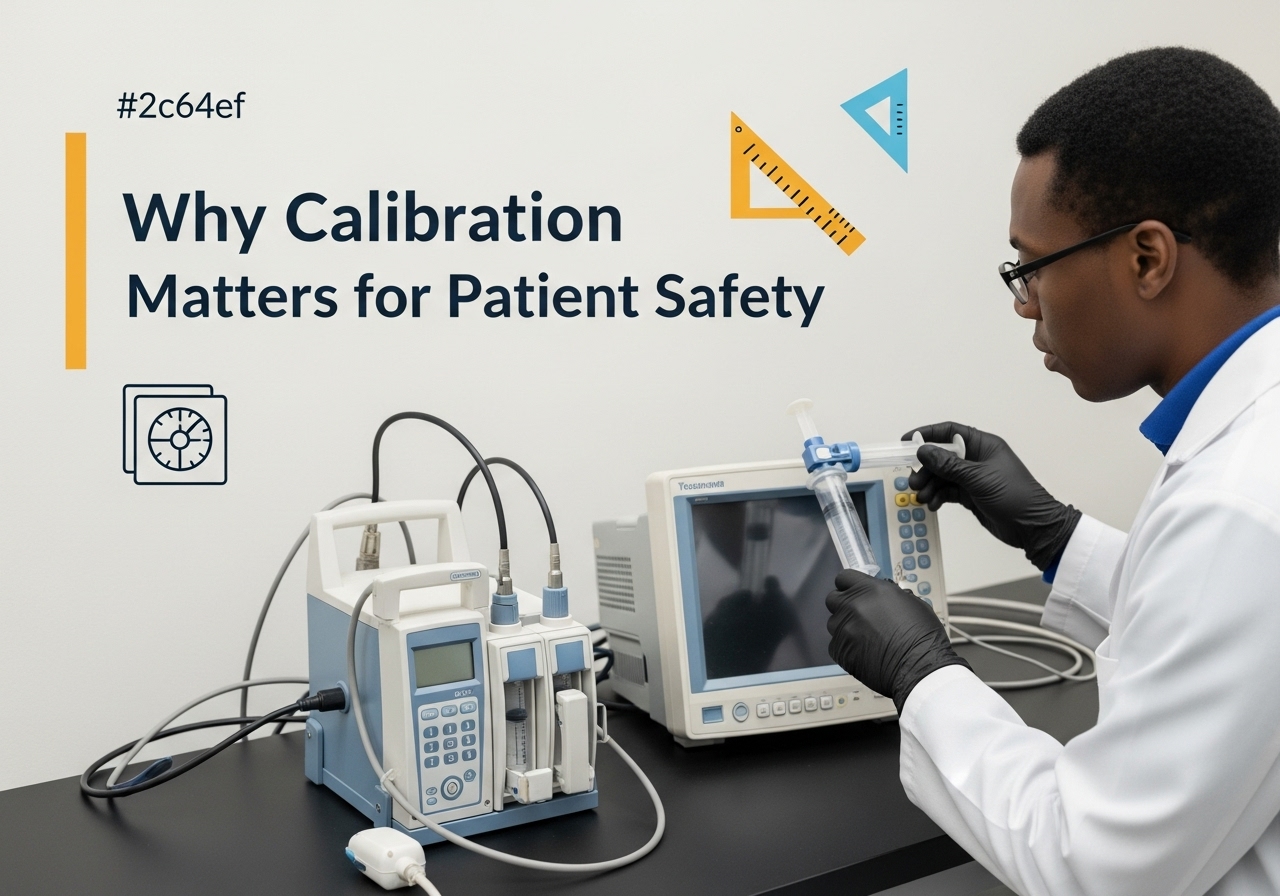
Calibration is the process of comparing a medical device’s measurements to a known and verified standard to ensure it provides accurate results.
If discrepancies are found, the device is adjusted to match the correct standard.
Examples of Medical Devices That Require Calibration:
- Blood pressure monitors
- ECG machines
- Laboratory analyzers
- Ventilators and anesthesia machines
- Thermometers and incubators
- Infusion and syringe pumps
Regular calibration ensures these instruments deliver consistent, accurate, and dependable readings every time they are used.
Why Regular Calibration Matters
1. Ensures Accuracy and Reliability
Inaccurate readings can lead to misdiagnosis or ineffective treatment.
Regular calibration guarantees that your medical devices operate within acceptable accuracy limits, ensuring healthcare professionals can rely on their results.
- Enhances Patient Safety
Every decision made in a hospital depends on data — blood pressure, oxygen saturation, lab results, and more.
If the data is wrong, patient safety is at risk.
Proper calibration ensures that:
- Equipment readings are correct and trustworthy
- Patient outcomes are improved
- The chances of medical errors are reduced
- Maintains Compliance with Regulatory Standards
In Nigeria, hospitals and diagnostic centers must comply with regulatory requirements set by authorities such as:
- The Medical Laboratory Science Council of Nigeria (MLSCN)
- The Standard Organisation of Nigeria (SON)
- The Federal Ministry of Health (FMoH)
Regular calibration records demonstrate that your facility maintains safe and compliant medical devices, protecting you during audits and certifications.
- Prolongs Equipment Lifespan
Just like preventive maintenance, calibration helps detect small issues before they become major faults.
When devices are routinely checked and adjusted, they perform more efficiently and last longer.
This saves hospitals from costly replacements and unplanned downtime.
- Reduces Downtime and Operational Disruptions
A malfunctioning device can cause workflow interruptions, patient delays, and even financial losses.
Scheduled calibration allows your team to plan ahead — preventing sudden breakdowns and ensuring uninterrupted service delivery.
How Often Should Medical Devices Be Calibrated?
The frequency of calibration depends on several factors, including:
- Manufacturer’s recommendations
- Frequency of equipment use
- Device sensitivity and purpose
- Previous calibration records
For most critical medical devices, calibration is recommended every 6 to 12 months or immediately after repair, relocation, or performance issues.
Tip: Keep a calibration log for every piece of equipment — this record helps with audits and preventive maintenance scheduling.
Who Should Perform Calibration?
Calibration must be done by qualified biomedical engineers or certified calibration technicians using standard reference equipment.
Working with professional medical equipment suppliers and service companies like Ocebrothers Tech Ltd ensures your devices meet international standards and manufacturer specifications.
Benefits of Partnering with Ocebrothers Tech Ltd
At Ocebrothers Tech Ltd, we specialize in:
- Professional calibration of all major medical and laboratory devices
- Equipment performance verification and documentation
- Preventive maintenance and repairs
- Biomedical engineering consultation
We work with hospitals, diagnostic centers, and laboratories across Nigeria to ensure that every medical device performs accurately, safely, and consistently.
Conclusion: Calibration Is an Investment in Accuracy and Trust
In the healthcare industry, even a minor error can have serious consequences. Regular calibration is not just a technical process — it’s an investment in quality, compliance, and patient safety.
When you prioritize calibration, you protect your patients, your reputation, and your financial stability.
Contact Ocebrothers Tech Ltd today for a professional calibration and maintenance schedule tailored to your hospital or laboratory needs.
Let’s help you keep your medical devices accurate, compliant, and reliable — every day.